Yuliya: A Romantic Script Font for Digital Branding and Web Design
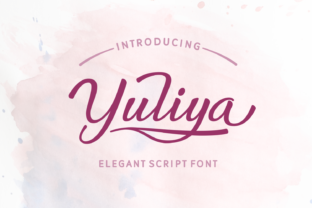
I was working on a new portfolio site for a graphic designer when I stumbled upon Yuliya. It’s a gorgeous and romantic script font that immediately caught my eye. As someone who values both aesthetics and functionality in web design, I knew I had to test it out in a real project. Yuliya is ideal for headlines and displays of all kinds, making it a strong candidate for a variety of use cases—from editorial content to fashion-forward branding.
Yuliya for Creative Portfolio Headers and Hero Sections
When I first applied Yuliya to the hero section of the portfolio site, I was struck by how it enhanced the overall visual appeal. The font’s flowing curves and elegant strokes added a touch of sophistication that perfectly complemented the designer’s work. Yuliya is a script handwritten font with a soft, romantic feel, which made it ideal for creative portfolios where personality and style are key.
I used Yuliya for the main headline, placing it over a high-quality image background. The contrast between the bold, decorative typeface and the clean, minimalist image created a visually engaging experience. However, I also considered readability—especially on mobile devices. I tested it at different sizes and found that Yuliya worked well as a display font, but it wasn’t the best choice for body text. That’s why I paired it with a simple sans serif font for the rest of the page.
Yuliya for Fashionable Branding and Editorial Content
Another place where Yuliya shone was in the brand section of the portfolio. The client wanted to emphasize their unique aesthetic, and Yuliya’s romantic, handwritten style fit perfectly. It helped create a cohesive look across the site, reinforcing the brand’s identity as something stylish and artistic.
I also used Yuliya for an editorial-style blog post. The font’s fluidity and elegance made it perfect for headlines and subheadings, adding a sense of flair without overwhelming the reader. When paired with a clean, modern sans serif font for the body copy, the contrast was striking and easy on the eyes. This combination proved effective for both desktop and mobile users, ensuring that the content remained readable and engaging.
Yuliya for Product Landing Pages and Course Sales Pages
While working on a product landing page for a boutique online store, I considered using Yuliya for the headline. The font’s romantic and fashionable vibe aligned well with the brand’s target audience—style-conscious consumers looking for curated, high-quality products.
I tested Yuliya on a dark background with light text, and it looked stunning. The font’s legibility even improved slightly against darker backgrounds, which is a rare trait for script fonts. However, I made sure to keep the rest of the page’s typography consistent with a sans serif font to maintain balance and ensure the message wasn’t lost in the design.
For a course sales page, Yuliya worked beautifully as a call-to-action button. The font’s playful yet professional look encouraged clicks without appearing too informal. I also used it for the course title, which helped reinforce the brand’s personality and made the content more approachable.
Yuliya for Blog Headers and Social Media Graphics
When redesigning a blog layout, I experimented with using Yuliya for headers. The font’s elegance and charm made it a natural fit for a lifestyle or fashion blog. I used it sparingly, mainly for titles and subheadings, to avoid overwhelming the reader.
I also tested Yuliya for social media graphics. Its romantic and handwritten style translated well into Instagram stories and Facebook posts, helping to create a cohesive brand presence across platforms. The font’s versatility allowed me to use it in various formats, from banners to captions, without losing its character.
Yuliya for Campaign Landing Pages and Digital Brand Kits
One of the most exciting uses for Yuliya was in a campaign landing page. The font’s decorative qualities made it perfect for a launch announcement, where the goal was to capture attention quickly. I used it for the headline and some supporting text, while keeping the rest of the layout clean and minimal.
For a digital brand kit, I included Yuliya as one of the core fonts. Its romantic and feminine tone aligned well with the brand’s identity, and it offered a unique alternative to standard sans serif or serif fonts. I also provided tips on how to pair Yuliya with other fonts to maintain visual hierarchy and readability.
Yuliya for Readability and Responsive Design
As a web designer, I always prioritize readability, especially in responsive layouts. I tested Yuliya on various screen sizes and found that it performed well in most cases. However, I noticed that on smaller screens, the font could become slightly cramped if not scaled properly. To address this, I adjusted the font size and line spacing to ensure clarity and comfort for mobile users.
Yuliya is a great option for short phrases and headings, but it’s not recommended for long blocks of text. I suggest using it sparingly and pairing it with a reliable body font to maintain a balanced and accessible design. Also, make sure to check the font’s licensing before using it on commercial projects or client websites.
Yuliya for Modern Typography and Brand Identity
Yuliya isn’t just a pretty font—it’s a powerful tool for building brand identity. Its romantic and fashionable style can help differentiate a brand in a crowded market. Whether you’re designing a portfolio, a product landing page, or a blog, Yuliya adds a touch of personality that can elevate your digital presence.
When choosing a font like Yuliya, it’s important to consider both aesthetics and functionality. The right font can enhance user engagement, improve brand recognition, and create a memorable experience. By using Yuliya thoughtfully, you can create a visually appealing and effective digital layout that resonates with your audience.